
Use site inspection to assess preventive work and scope. Alongside chemical quotes, review leaks, dampness, timber, and warranties; choose including reinspection.
Understand this article's terms in plain language
- Removal and prevention
- Treating current pests differs from preventing recurrence. Check target species, scope and return-visit terms.
- Warranty and return visits
- Not everything is free during the term. Ask covered pests, recurrence, conditions, and costs before contracting.
- Quote total
- Check how much travel, investigation, materials, work and disposal the price includes. Ask separately from the advertised minimum.
- 01
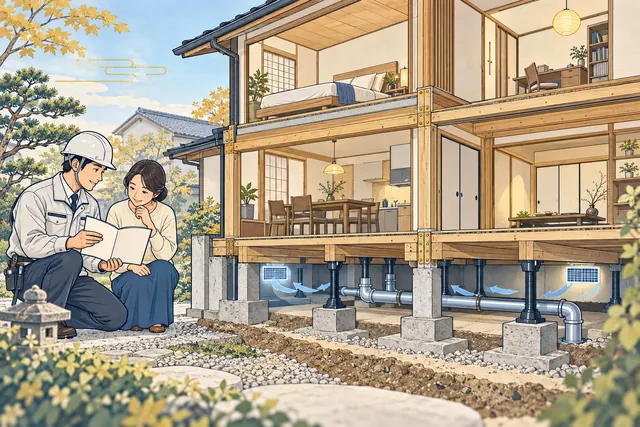
Check warranty documents and previous work records
- 02
Report whether there is leaking or dampness
- 03
Compare scope and follow-up inspections
Confirm the work schedule individually
A fixed number of years alone does not establish current work needs. Check prior work, warranties, materials and site conditions; ask why this work is needed now.
Identify species → Take action → Prevent recurrence
Do not assume an unknown species; seek advice from safety.
- 01Check
Place, time, frequency. No dangerous close-ups needed.
- 02Check the total and method
Separate call-out, night, work and follow-up charges.
- 03Reassess the causes too
Food, water, gaps. Check separate contacts for leaks or repairs.
Ask about problems causing the damage too
Discuss leaks or damp timber repairs separately. Chemicals alone do not fix rain leaks or rot causes. With multiple providers, align order and responsibilities.
Household and use conditions
Explain children, pets, used rooms and ventilation/reuse conditions. Receive written product names, target areas and warnings; distrust blanket safety promises based only on generalities.
Warranty and maintenance
Check exclusions, recurrence response, inspection frequency, repair-warranty links, and contacts. Ask about moving or ownership changes. Compare initial work and subsequent inspection costs separately.
Frequently asked questions about this topic
Should treatment always be repeated as soon as the warranty ends?
There is no universal answer. Review previous work, warranty conditions, inspection findings, and building condition before discussing need. Ask separately about prevention and treatment of confirmed damage.
Will chemical treatment also fix leaks and damaged timber?
These usually need separate confirmation. Align who handles pests, leaks, and timber repairs and each quote’s scope. Check chemicals, family and pet explanations, and warranty exclusions.
FAQ and related guidance checked October 4, 2026. Ask relevant contacts about individual conditions, current acceptance, and programs.
Content errors, rights concerns or service information changes:Contact Kaneyoshi Miwa (Japan Product Management). Include the page URL and relevant passage. This is for routine inquiries, not emergency reporting.
What to learn next

Flying ants or termites? Photos, locations and requesting inspections
Flying ants alone do not prove termite damage or work needs. Safely record date/location/photos and consult a firm able to identify species and building effects.

Compare pest control: local advice, specialists and booking services
Species identification, public advice, pest treatment, and building repairs serve different roles. Choose by symptoms; consider Fukkyu Idaten for provider searches and repairs within confirmed availability.
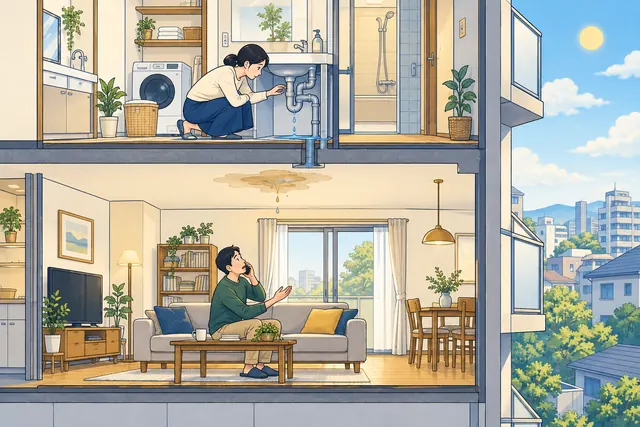
Ceiling water in sunny weather: contacts for suspected pipe leaks
Suspected plumbing leaks: safety, management contact, and pre-repair checks.
Words used in this article
Short explanations, with the Japanese words you may hear in everyday life.
- On-site inspection 現地調査(genchi chousa)
A professional visiting the building to examine its condition and possible work.
Ask in advance about visit charges, what will be checked and how you will receive the findings.
- Warranty 保証(hoshou)
Conditions describing how certain problems after the work will be handled.
Check coverage, period, exclusions and contact details in writing; a warranty does not make every repair free.
- Recurrence 再発(saihatsu)
A problem happening again after it appeared to have stopped.
Record when it happens and the weather, then check the previous work and warranty when asking for advice.
Plain-language explanations by Tatemono Fukkyu Note. They are not an assessment of your building or an individual evacuation decision.