
Prioritize guest/staff safety; separately organize closure areas, business impact and desired restoration time. Prepare records to discuss temporary and permanent work together.
Understand this article's terms in plain language
- Temporary measures
- Temporary measures to limit further damage. Check these separately from permanent repairs and fixing the cause.
- Cause investigation
- Investigation of water-entry routes and similar issues. Ask methods, cost, and uncheckable areas.
- Approve additions
- Approve unplanned work only after receiving an explanation of the reason and cost.

- 01
Stop using unsafe guest rooms, paths and equipment
- 02
Share shutdown areas and alternatives among staff
- 03
Discuss the work conditions and who can approve it
You do not need technical equipment names to describe the problem
Start with facts: “Water drips in the third-floor corridor,” “Two rooms are out of sale,” or “Stopping air conditioning affects the whole floor.” Even if rain leaks, plumbing, and air conditioning are all possible causes, request an investigation without deciding the cause yourself.
Separate stopping the cause from restoring the interior
Before restoring appearance, check the cause and plans for drying and inspections.
- 01Safety checks and cause investigation
List unusable areas and affected equipment
- 02Address causes and necessary inspections
Discuss leak causes, drying and equipment inspections
- 03Interior restoration and resuming use
Restore finishes and check conditions for resuming use
Seven things to prepare before the contractor arrives
① Building and location ② Damage and floor ③ Impact on people or business ④ Plans and photos ⑤ Access, keys, parking ⑥ Permitted noisy-work hours ⑦ Who approves orders and extras. Exclude guest personal information from shared material.
Not just quick repairs, but when each facility will be usable
Separate temporary measures, equipment checks, cause repairs, drying and interior work, cleaning, and safety checks, and agree with providers on conditions for reuse. A guest room may look restored while electrical or hidden dampness checks remain. This site cannot decide when business may reopen.
Use one coordinating contact for multiple contractors
Appoint a facility contact and confirm the contractor's overall coordinator too. When roofing, plumbing, electrical and interior stages overlap, agree who communicates completion of the previous stage. Separate contractors do not necessarily make the total cheaper.
Prepare for the next problem at the same property
Keep completion photos, drawings, equipment model numbers, warranties and order history by property. When considering Fukkyu Idaten, check how much of this information can be shared and how it is handled. Request nighttime reception on your behalf or progress management only after verifying that provision.
Frequently asked questions about this topic
Does insurance cover business interruption?
It depends on contracts and incident causes. Ask your business insurer separately about building, equipment, and business-interruption cover.
FAQ and related guidance checked October 4, 2026. Ask relevant contacts about individual conditions, current acceptance, and programs.
Content errors, rights concerns or service information changes:Contact Kaneyoshi Miwa (Japan Product Management). Include the page URL and relevant passage. This is for routine inquiries, not emergency reporting.
What to learn next
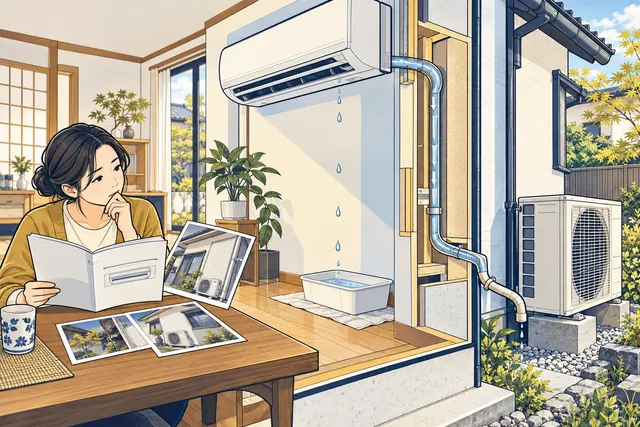
Air conditioner leaks: choosing manufacturer repair or building investigation
When air conditioning leaks, check warranty/maintenance contracts, electrical safety and building damage.

Urgent roof repairs: a visit today versus a completed repair today
Urgent repairs can blur reception, site checks, temporary measures and main work. Clarify which conditions take priority.

Multiple building damages: roof, wall and interior restoration
Multiple typhoon or flood damage: organize safety, investigation, restoration priorities, and coordination.

What to say about repairs: ready-to-use request notes
A consultation template for symptoms, locations, dates, photos and wishes, reducing repeated explanations to contractors.