
Prioritize safety and temporary measures. Compare permanent/interior repairs using matching scope, materials, scaffolding and tax-inclusive totals. Do not approve all work merely for a visit today.
Understand this article's terms in plain language
- Temporary measures
- Temporary measures to limit further damage. Check these separately from permanent repairs and fixing the cause.
- Cause investigation
- Investigation of water-entry routes and similar issues. Ask methods, cost, and uncheckable areas.
- Scaffolding and protection
- Scaffolding supports work at height; protection shields surrounding items and areas. Check quote scope.
- 01
First check danger and existing contact points
- 02
Organize photos and the work you want
- 03
Check scope, total and schedule
Divide the quote into three stages
Separate ①inspection/temporary protection, ②permanent cause repair, ③interiors after drying/checks. Even with one firm, ask when each happens and what results to expect.
From the current situation to the next request
These steps are general guidance organized by the editors.
- 01First check danger and existing contact points
Do not inspect or take photos in dangerous places.
- 02Organize photos and the work you want
Separate known facts from what remains unknown.
- 03Check scope, total and schedule
Agree on the person responsible, cost, timing and way to check.
Give everyone the same photos and request
Give companies the same photos, symptoms, dates, and insurance-verification status. Different information changes work assumptions. Mark unknowns and ask whether included investigation can resolve them.
Ask why prices are lower or higher
Check differences in scope, materials, quantities, scaffolding, substrate repairs, disposal, and travel. Higher prices are not always better, nor are lower prices proof of misconduct. Ask why any work was omitted and how recurrence would be handled.
Agree on the change process before contracting
Record the sequence for additions: photos and reasons, extra amount and total, then owner approval. Discuss stopping or alternatives over budget to avoid being pressured later.
Frequently asked questions about this topic
Should I hire the same company for permanent repairs after emergency work?
Not necessarily. Check temporary/permanent scopes, costs and retained records. Share the same photos/conditions with candidates; compare cause repairs separately from interiors.
How to compare a cheap quote missing scaffolding or interiors?
Have missing items added and align scope, materials, scaffolding, disposal, finishing and extras. Compare equivalent outcomes, including exclusions and uncertainties beyond totals.
FAQ and related guidance checked October 4, 2026. Ask relevant contacts about individual conditions, current acceptance, and programs.
Content errors, rights concerns or service information changes:Contact Kaneyoshi Miwa (Japan Product Management). Include the page URL and relevant passage. This is for routine inquiries, not emergency reporting.
What to learn next
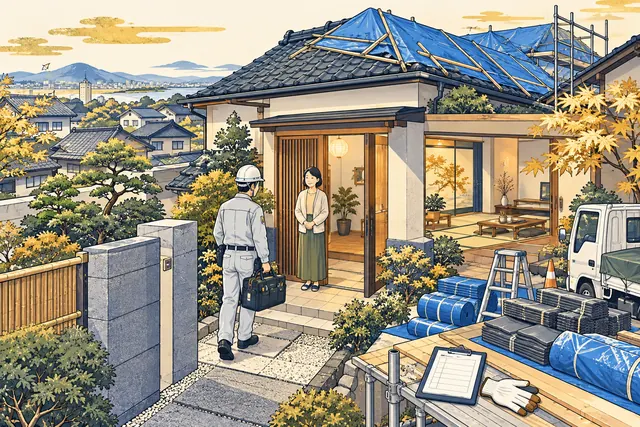
Urgent roof repairs: a visit today versus a completed repair today
Urgent repairs can blur reception, site checks, temporary measures and main work. Clarify which conditions take priority.
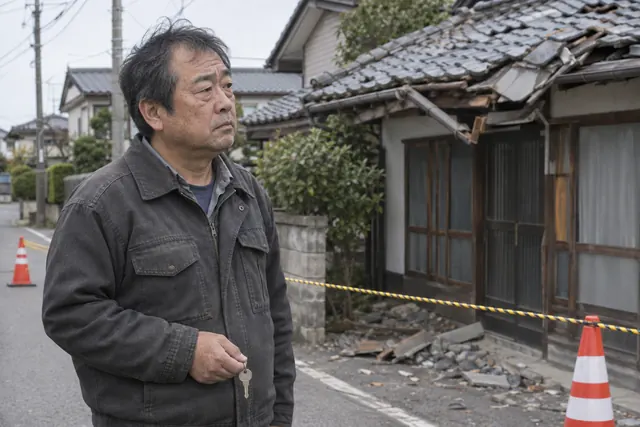
What does a rain-leak investigation fee include?
Why do low and high leak-repair quotes differ? Cost items affecting totals, site-inspection questions, and comparison tips.
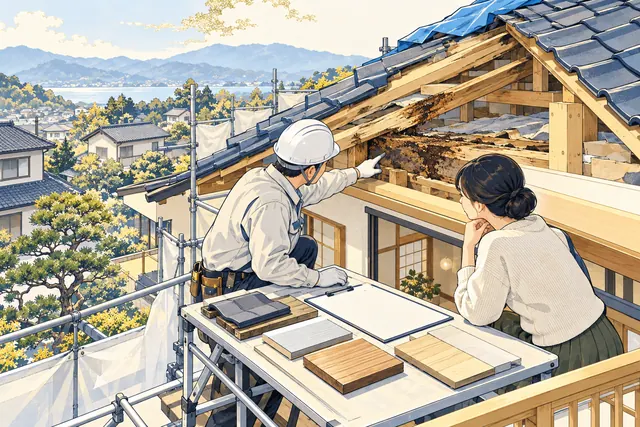
Extra repair costs: five checks before approval
If told extra substrate repairs are needed, check photos, reasons, price, duration, and alternatives.
Before arranging repairs in Japan
You do not need to rush a decision when you do not understand the documents or explanation.
An estimate and a contract have different purposes
An estimate (見積書) describes proposed work and its price. If you do not understand what you would be agreeing to, ask about the work, extra charges and schedule before deciding.
If communicating in Japanese is difficult
Ask in advance whether an interpreter can help and which languages the provider supports. Translated articles do not mean that our phone service or contractors provide English or Vietnamese support.
Reference: Housing Renovation and Dispute Settlement Support Center — estimate consultations
Words used in this article
Short explanations, with the Japanese words you may hear in everyday life.
- Scaffolding 足場(ashiba)
A structure assembled so workers can carry out work safely at height.
Whether it is needed depends on the height and work location. Do not climb it yourself.
- Recurrence 再発(saihatsu)
A problem happening again after it appeared to have stopped.
Record when it happens and the weather, then check the previous work and warranty when asking for advice.
- Written estimate 見積書(mitsumorisho / mitsumori)
A document showing proposed work, materials and costs before you place an order.
Ask for explanations of Japanese wording you do not understand before signing an agreement.
- Additional charges 追加費用(tsuika hiyou / tsuika ryoukin)
Costs added later to the amount first proposed.
Confirm the extra work, reason and amount in writing before that work starts.
Plain-language explanations by Tatemono Fukkyu Note. They are not an assessment of your building or an individual evacuation decision.