
Start with managing food, water and rubbish and recording sightings. Follow chemical labels; if pests persist or gaps worry you, discuss causes and prevention scope.
Understand this article's terms in plain language
- Removal and prevention
- Treating current pests differs from preventing recurrence. Check target species, scope and return-visit terms.

- 01
Seal food and rubbish
- 02
Record locations, times and frequency
- 03
Check chemical labels and inspection fees
Do not order whole-house treatment after seeing one insect
Record place, time, recurrence, and whether indoors or entering from outside. Extent may not be immediately identifiable. Even traps need label compliance and consideration for children and pets.
Identify species → Take action → Prevent recurrence
Do not assume an unknown species; seek advice from safety.
- 01Check
Place, time, frequency. No dangerous close-ups needed.
- 02Check the total and method
Separate call-out, night, work and follow-up charges.
- 03Reassess the causes too
Food, water, gaps. Check separate contacts for leaks or repairs.
Food, water and hiding places
Review leftovers, grease, overnight waste, leaks, and clutter. In apartments, consult management because shared areas or other units may be involved. Chemicals in one room may not resolve whole-building issues.
Pest removal and entry-point repair
Separate chemicals/trapping from repairing pipe-area gaps. Do not seal necessary vents/equipment openings yourself. Ask repair scope, materials and ventilation/drainage impacts.
Make late-night requests calmly
The National Consumer Affairs Center warns about excessive pest-control bills. Before a visit, confirm travel, night, and minimum-price conditions and how on-site increases are explained and approved. Do not start work while unconvinced about the price.
Frequently asked questions about this topic
Should one pest trigger a whole-house treatment at night?
One insect alone does not prove extensive treatment is necessary. Control food, water, and waste and record sightings and times. Before hiring, confirm night visits, inspection, and treatment fees.
What information helps an inspection before an estimate?
Report sightings and frequency, apartment or detached home, leaks, pipe gaps, and where retail chemicals were used. Mention family and pets; ask scope and conditions for on-site price increases.
FAQ and related guidance checked October 4, 2026. Ask relevant contacts about individual conditions, current acceptance, and programs.
Content errors, rights concerns or service information changes:Contact Kaneyoshi Miwa (Japan Product Management). Include the page URL and relevant passage. This is for routine inquiries, not emergency reporting.
What to learn next
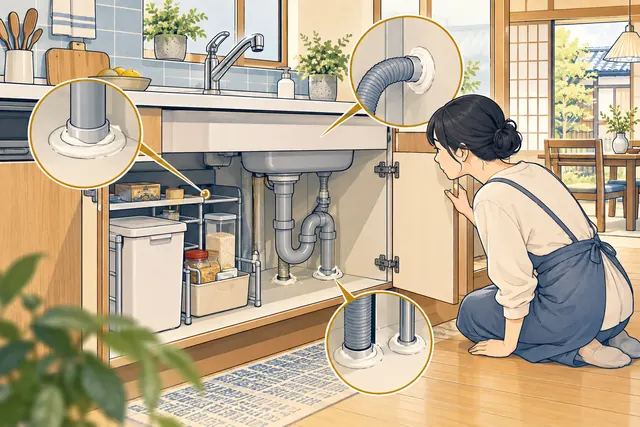
Preventing recurring cockroaches: water areas and gap checks
Review food, water, hiding places and entry routes in order. Before repeating chemicals alone, discuss leaks, building gaps and shared apartment areas too.

Pest-control quote checks, distinguishing low advertised prices from on-site totals.
An advertised minimum is not the total. Check travel, night, inspection, chemicals, removal, and revisits. For increases on site, agree reasons and total before work.
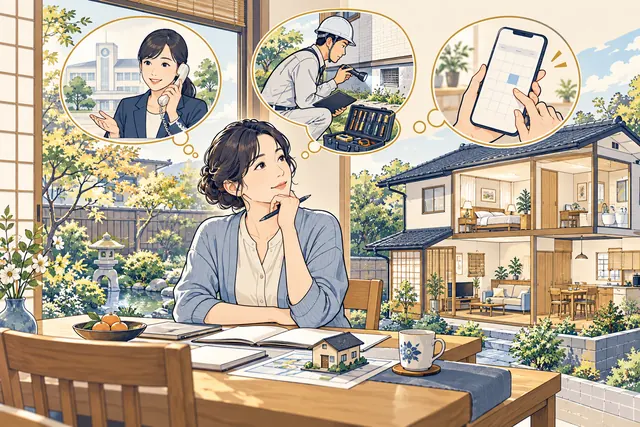
Compare pest control: local advice, specialists and booking services
Species identification, public advice, pest treatment, and building repairs serve different roles. Choose by symptoms; consider Fukkyu Idaten for provider searches and repairs within confirmed availability.
Words used in this article
Short explanations, with the Japanese words you may hear in everyday life.
- Recurrence 再発(saihatsu)
A problem happening again after it appeared to have stopped.
Record when it happens and the weather, then check the previous work and warranty when asking for advice.
- Multi-unit housing 集合住宅(shuugou juutaku)
A building containing homes for several households, such as an apartment building.
Distinguish your own unit from shared areas and check building rules for repairs and evacuation.
- Shared building areas 共用部分(kyouyou bubun)
Parts of an apartment building used by more than one resident, such as corridors and stairs.
Check with the property manager before making changes or arranging work yourself.
Plain-language explanations by Tatemono Fukkyu Note. They are not an assessment of your building or an individual evacuation decision.