
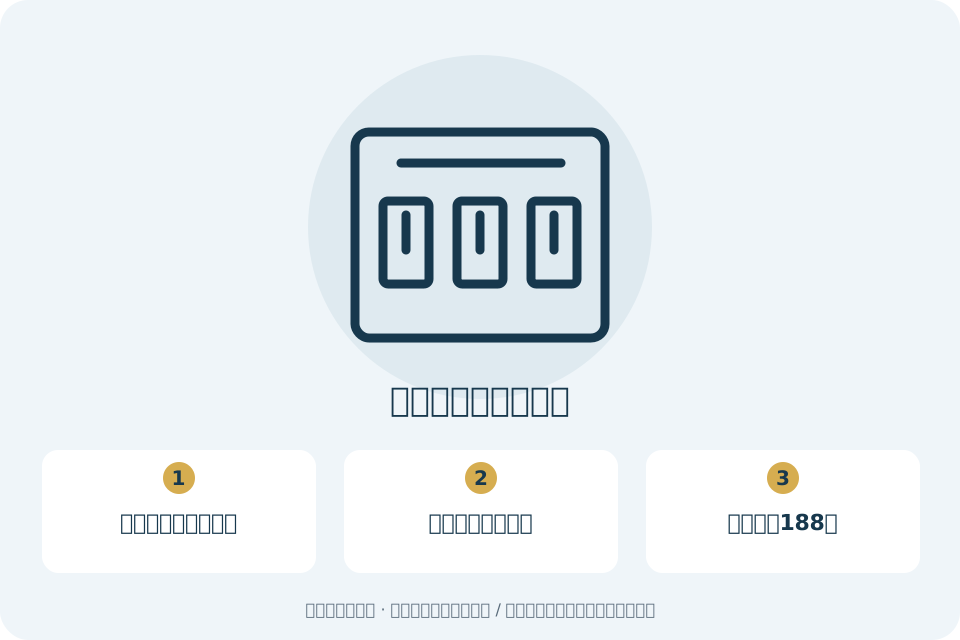
Do not immediately accept inspection calls or sign replacements. Verify through the named company's official contact. If signed, keep documents and contact 188.
Understand this article's terms in plain language
- Cause investigation
- Investigation of water-entry routes and similar issues. Ask methods, cost, and uncheckable areas.
- Approve additions
- Approve unplanned work only after receiving an explanation of the reason and cost.
- Inspection scope
- Which places and methods the investigation covers. Ask about inaccessible areas and fees beforehand.
- 01
Do not promise a visit or replacement over the phone
- 02
Check with the power company's official contact
- 03
If already contracted, keep documents and contact 188
What the September 16 advisory tells us
The National Consumer Affairs Center of Japan reports that consultations about distribution-board inspection sales in fiscal 2025 rose to about 5 times the previous year. Reports spread beyond Kanto nationwide, with many involving older people. This is a nationwide warning about sales tactics, not evidence of wrongdoing by companies listed here.
From the current situation to the next request
These steps are general guidance organized by the editors.
- 01Do not promise a visit or replacement over the phone
Do not inspect or take photos in dangerous places.
- 02Check with the power company's official contact
Separate known facts from what remains unknown.
- 03If already contracted, keep documents and contact 188
Agree on the person responsible, cost, timing and way to check.
Even if told it is dangerous, take a verification step
If told “an electricity-company inspection,” “replacement is legally required,” or “it will cause a fire,” record the claimed company, representative, and contact details. Verify inspection plans through your meter notice or the official site, rather than relying solely on the number provided. Equipment age alone does not establish a need for the contract being offered.
Distinguish mandatory inspections from replacement sales
The National Consumer Affairs Center explains that inspectors do not offer distribution-board replacement contracts after a statutory inspection. Use this to recognize sales disguised as inspections. If there is an actual hazard such as a burning smell or smoke, stay away and prioritize safety and necessary emergency calls.
Even after signing, you do not have to cope alone
Gather the contract, business card, invoice, payment records, and dates and times of calls and visits. Whether cancellation is possible depends on the transaction, so consult 188 before or after work. We do not determine deadlines or eligibility here. Keep communications with the other party and seek advice before additional payments or signatures.
How to request an inspection or repair you actually need
Tell your usual electrician or management company about the symptoms. Ask about investigation costs, evidence that replacement is needed, parts and labor, outage duration, and warranty. If considering Fukkyu Idaten, check the area and acceptance of electrical work, and make clear that the request is unrelated to the suspicious sales approach.
Frequently asked questions about this topic
A phone claim of statutory inspection: must I replace the board?
Inspection notices differ from replacement contracts. Check identity, purpose, and fees; independently verify with the claimed electricity company’s official contact. Do not accept costly work immediately out of fear.
How to seek advice after signing for a replacement
Keep contracts, visit dates, explanations, and payment evidence; consult Consumer Hotline 188 promptly. Contract treatment needs individual review. Do not open or touch inside distribution boards to verify yourself.
FAQ and related guidance checked October 4, 2026. Ask relevant contacts about individual conditions, current acceptance, and programs.
Content errors, rights concerns or service information changes:Contact Kaneyoshi Miwa (Japan Product Management). Include the page URL and relevant passage. This is for routine inquiries, not emergency reporting.
What to learn next
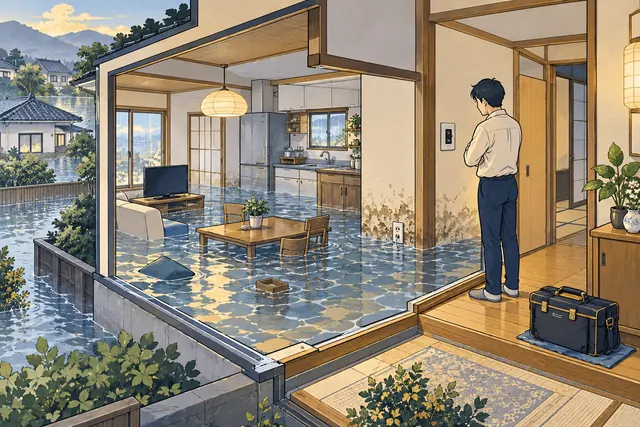
Electrical equipment wet from leaks or flooding—do not touch; consult before powering.
Wet lights/outlets, flooded distribution boards and power restoration: avoid danger and know what to tell professionals.
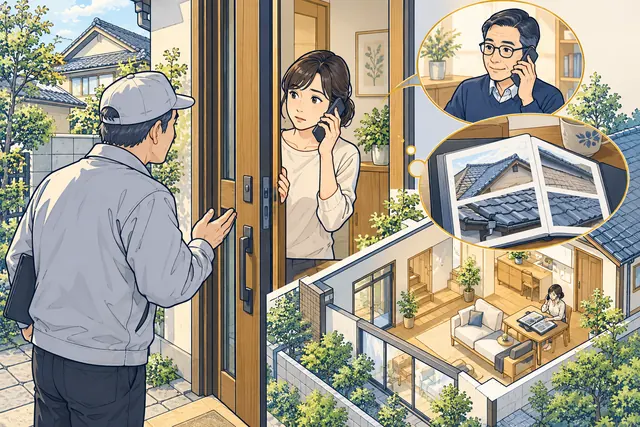
Do not panic over “unsafe roof” or “free with insurance”: handling inspection sales
Unexpected roof repair sales: checks and advice contacts before believing photos or insurance explanations.

Before signing repairs: record scope, payments, and warranties
Before contracting roof/leak repairs, check scope, schedule, payment, extras, warranty and cancellation terms.
Words used in this article
Short explanations, with the Japanese words you may hear in everyday life.
- Contact details 連絡先(renrakusaki)
Information such as a telephone number or office for getting in touch.
Keep details for your property manager, previous contractor and insurer beforehand; check their languages and opening hours.
- Property management company 管理会社(kanri gaisha)
A company appointed to manage a building and handle contact on the owner's behalf.
For a rented home or apartment building, check the contact details in your agreement or building notices.
- Warranty 保証(hoshou)
Conditions describing how certain problems after the work will be handled.
Check coverage, period, exclusions and contact details in writing; a warranty does not make every repair free.
Plain-language explanations by Tatemono Fukkyu Note. They are not an assessment of your building or an individual evacuation decision.