
Before disasters, organize building and belongings photos, warranties, maintenance, insurance, and management contacts. Afterward, safety comes first. Records assist consultations but do not guarantee coverage or safety.
Understand this article's terms in plain language
- Cause investigation
- Investigation of water-entry routes and similar issues. Ask methods, cost, and uncheckable areas.
- Inspection scope
- Which places and methods the investigation covers. Ask about inaccessible areas and fees beforehand.
- 01
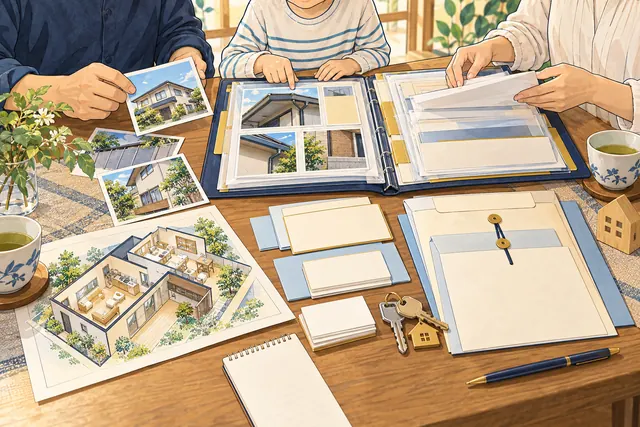
Photograph buildings and equipment in normal times
- 02
Keep contracts and contacts together
- 03
Prepare a copy you can access safely
Learn from overseas property inventories
Oklahoma Emergency Management in the United States advises keeping property inventories and insurance information. Organizing normal-condition photos and purchase or work records is useful in Japan too. This does not mean US insurance arrangements can be treated as Japanese coverage conditions.
From the current situation to the next request
These steps are general guidance organized by the editors.
- 01Photograph buildings and equipment in normal times
Do not inspect or take photos in dangerous places.
- 02Keep contracts and contacts together
Separate known facts from what remains unknown.
- 03Prepare a copy you can access safely
Agree on the person responsible, cost, timing and way to check.
What to record
Gather room views, major equipment models, ground-level roof and wall photos, repair dates, warranties, and maintenance contacts. Share only necessary details, rather than mass-sending policies or full addresses to unspecified contacts.
Write down whom to contact first
Separate rescue and fire, management, manufacturer maintenance, insurance, and investigation or repair contacts by role. Record emergency and routine hours in language your family understands.
When researching local support in advance, a useful reference is theRescue Stock Yard organization overview. The organization is based in Nagoya and supports disaster survivors and local preparedness. Record the contacts you can actually use in your area based on your municipality’s or social welfare council’s guidance.
Review yearly and whenever things change
Update after equipment replacement, insurance renewal, management changes or repairs. Choose disaster-accessible cloud/paper methods; agree family sharing and data handling.
Frequently asked questions about this topic
Does a disaster file mean publishing my full address or insurance policy?
There is no need to publish it. Keep contacts, warranty and insurance details, equipment models, and photos safely accessible to family, sharing only what advisers need. Decide how to share and prevent loss.
Can I reuse the same record every year once it is made?
Update after repairs, equipment changes, insurance renewal or contact changes. Annual reviews should distinguish old photos/current conditions and confirm emergency contacts as a family.
FAQ and related guidance checked October 4, 2026. Ask relevant contacts about individual conditions, current acceptance, and programs.
Content errors, rights concerns or service information changes:Contact Kaneyoshi Miwa (Japan Product Management). Include the page URL and relevant passage. This is for routine inquiries, not emergency reporting.
What to learn next
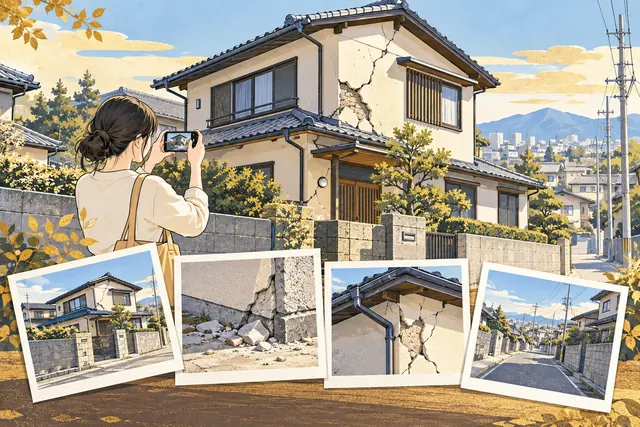
Pre-repair photos: building, location, close-ups, and wider views
Organize photos for provider consultations, damage records, and insurance checks. Avoid unsafe photography; show when, where, and what.
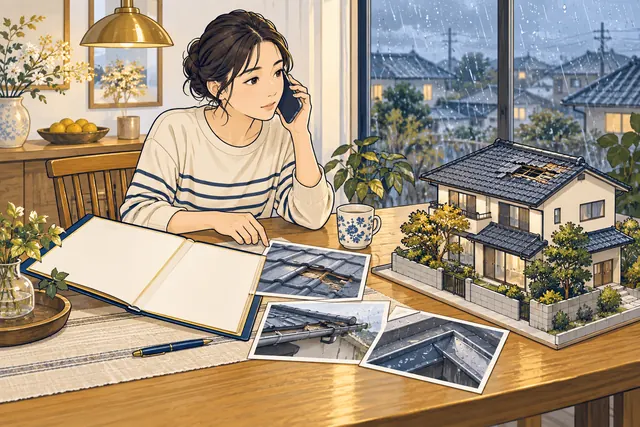
Does fire insurance cover rain leaks? Ask your insurer before signing
A rain leak alone does not establish insurance cover. Prepare questions about cause, policy terms, deductibles, photos and quotes.
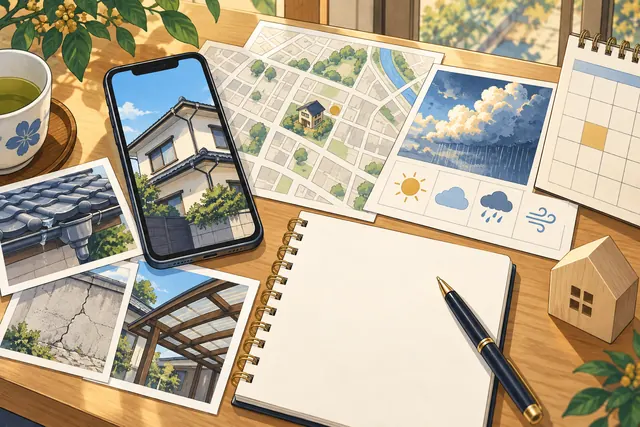
What to say about repairs: ready-to-use request notes
A consultation template for symptoms, locations, dates, photos and wishes, reducing repeated explanations to contractors.
After saving the contacts, plan how to keep your phone powered
Words used in this article
Short explanations, with the Japanese words you may hear in everyday life.
- Warranty 保証(hoshou)
Conditions describing how certain problems after the work will be handled.
Check coverage, period, exclusions and contact details in writing; a warranty does not make every repair free.
- Local authority 自治体(jichitai / shikuchouson)
The administration of your city, ward, town, village or prefecture.
Use your area's official website or office to check evacuation sites and post-disaster procedures.
Plain-language explanations by Tatemono Fukkyu Note. They are not an assessment of your building or an individual evacuation decision.